Single targeted visit
One visit for occasional sightings: inspection, treatment of hiding spots and a sealing checklist that shows where they are coming from.
Striped bark scorpion control for Hawkins homes: night checks, sealing gaps, attic and crawlspace treatment and fewer prey insects.
Fastest: call (281) 326-6212. Or send this and we call you back.
Scorpion control in Hawkins means dealing with one species, the striped bark scorpion, which climbs, hides in bark and attics, and slips indoors during hot, dry spells. Effective work combines sealing entry gaps, treating hiding spots and cutting the insects scorpions eat. Hawkins Pest Control connects Wood County homeowners with a licensed local partner for the visit.
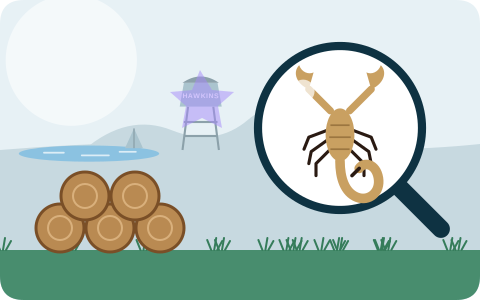
Found one in the bathtub, or felt one in a boot? It was almost certainly a striped bark scorpion. Texas A&M AgriLife lists it as the only scorpion species found in eastern Texas. It is tan to yellowish with two dark stripes down its back, grows to roughly 2½ inches and climbs well, which is why people find it on walls, ceilings and attic hatches.
Scorpions are harder to control than most household pests. They can go a long time without eating, wedge into tight cracks during the day and often survive sprays unless hit directly. The plan that works pairs exclusion, targeted treatment and a cleanup of hiding spots around the house.
Because scorpions hunt crickets, roaches and spiders, a scorpion problem usually points to a bug problem; see spider control and cockroach control.
Do not reach into wood piles, stored boxes or boots without gloves and a look first, and never spray fuel or outdoor chemicals inside the house to kill scorpions. Shake out shoes, floor-level bedding and clothes left in the garage, especially in summer.
Striped bark scorpions glow under ultraviolet light, so the technician may check walls, wood piles, fences and the foundation after dark.
Daytime inspection covers the attic, crawlspace or skirting, garage, door frames and weep holes, plus anything stacked against the house: wood, lumber, pavers, tin and pots.
Gaps under doors, torn screens, unsealed pipe and wire penetrations, open weep holes and attic vents go into the written report, so you know exactly what to seal.
Labeled dusts go into wall voids, attic edges and crawlspace sills, and residual products are applied to the foundation, eaves, fences and wood piles where scorpions travel.
Treating crickets and roaches shrinks the food supply. A recurring plan keeps a barrier in place through summer, when most indoor sightings happen.
Most scorpion jobs start with one targeted visit. Wooded lots, outbuildings and older houses with many gaps often need repeat service through the warm months.
| Job | Typical range | What it includes |
|---|---|---|
| Spider or scorpion treatment | $135–$275 | inspection, hiding-spot treatment, attic or crawlspace dusting and a sealing checklist |
| Initial service to start a quarterly plan | $125–$225 | first visit of an ongoing plan covering scorpions and their prey |
| Quarterly general pest plan (per visit) | $85–$140 | keeps a barrier in place through scorpion season |
| After-hours / emergency fee | $50–$150 | may apply if you ask for a night or weekend visit |
Estimates for Wood County in 2026. Large lots and outbuildings raise the total. Your price is confirmed, and you approve it, before any treatment.
Wash the sting, put ice or a cool cloth on it and watch for changes. Most striped bark scorpion stings cause sharp, burning pain and swelling that ease within a day. Call Poison Help at 1-800-222-1222 for children, older adults or any reaction beyond the sting site, and call 911 for breathing trouble.
Young children, older adults and anyone allergic to insect stings need close watching. Numbness, twitching or trouble swallowing are reasons to get medical care instead of waiting it out.
If you catch the scorpion, keep it in a jar for the technician. It confirms the species and gives a clue to where it came from.
Heat and dry weather push striped bark scorpions toward moisture and cooler hiding places, and your house offers both. They follow plumbing, crawl under doors and drop in from the attic. Long dry stretches in July and August, after spring rains filled the yard with insects to eat, often bring the most indoor sightings.
Watering the foundation, a leaky hose bib or a dripping AC condensate line can concentrate scorpions right next to the house. Fixing those leaks is cheap and helps.
Disturbance moves them too: cutting up a wood pile, tearing off old siding or clearing brush can send scorpions indoors.
Start where the house meets the ground. Seal gaps around pipes and wires, add door sweeps and weatherstripping, close skirting and vent gaps and keep crawlspace hatches tight. Inside, caulk baseboard gaps and around tub drains. Then move wood, lumber and rocks away from the walls so scorpions have less cover nearby.
Older pier-and-beam houses tend to have more gaps than slab homes, so expect a longer list. Our guide to pier-and-beam homes covers crawlspace upkeep that helps against termites and scorpions alike.
Building disturbs the scorpions that were living in the woods and brush on the lot. Clearing pine and oak, stacking lumber and moving soil sends them looking for cover, and a new house with fresh landscaping is the nearest shelter. Sightings often drop after the first few years, once the yard settles and gaps are sealed.
Landscape timbers, rock borders and pine bark mulch around a new slab add hiding spots right where scorpions meet the wall. Keeping mulch thin near the foundation, or using a gravel strip, helps.
One visit for occasional sightings: inspection, treatment of hiding spots and a sealing checklist that shows where they are coming from.
Scorpion work rolled into quarterly general pest service, with extra attention from late spring through summer. It keeps prey insects down and a fresh residual where scorpions travel, which matters on wooded lots that keep producing more.
For homes where scorpions come from above or below, the technician dusts attic edges, top plates and crawlspace sills. Pier-and-beam houses and manufactured homes often need it, since the space under the floor connects to every room.
The name says it: bark scorpions live in bark. Around Hawkins, loose pine and oak bark, stacked firewood, old fence posts and the slash left from clearing a lot give them ideal daytime cover. Lots carved out of the woods, as many are along FM 1795, FM 2869 and the county roads near Holly Lake Ranch, tend to see more of them.
Older houses offer easy routes inside. Pier-and-beam homes have crawlspaces with gaps around every pipe, and manufactured homes have skirting that pulls away from the ground over time. Attics with open soffits let climbing scorpions in from overhanging limbs, so trimming branches back from the roof is part of the fix.
Barns, shops and sheds full of lumber, sheet tin and stored equipment are scorpion hotels. Wear gloves when moving anything that has sat for a season, and store materials on racks.
Tell us what's happening and we'll tell you honestly whether it's a quick fix, and what scorpion control should cost.
Not sure if you're covered? Check your ZIP code.
Brown recluse and widow control for Hawkins homes, barns and sheds: web removal, targeted treatment and hiding-spot cleanup.
German roach cleanouts and outdoor roach work for Hawkins homes, lake houses and barns, priced before any treatment.
Quarterly or one-time pest control for Hawkins-area homes, from town lots off US 80 to lake houses and acreage.
Species-matched ant treatment for carpenter ants in pine and oak, odorous house ants in kitchens and ants nesting in walls.
Texas A&M AgriLife lists the striped bark scorpion as the only species found in eastern Texas. If you find a scorpion in Hawkins, that is almost surely what it is. Other Texas scorpion species live farther west.
Residual products along the foundation and in voids typically keep working for weeks to a few months, depending on the product, sun and rain. Dust in attics and wall voids lasts longer because it stays dry. Homes with ongoing sightings usually do well with treatment refreshed each quarter through the warm season.
Usually. Scorpions eat crickets, roaches, spiders and other insects, so a house with steady sightings almost always has prey nearby. Treating that food supply is part of the job, and it is often why sightings drop after a general treatment.
You can trap them under a jar or pick them up with long tongs, and a blacklight walk after dark shows how many are out. That helps you size up the problem but rarely solves it, because the hiding spots and gaps remain.
Yes, especially on wooded lots where the house sits closed for weeks. A quiet house with insects in the attic and no foot traffic suits scorpions, and owners often find a few on the floor or in the tub when they open up for summer. A seasonal plan keeps the outside treated while you are away.