Phones answered 24/7Hawkins, TX 75765
Call (281) 326-6212
(281) 326-6212
Serving Wood County

Tick Control for Acreage and Rural Property in Hawkins

Yard, trail and woods-edge tick treatments for rural tracts, lake lots and pasture borders, with a written report after each visit.

  • Phones answered 24/7
  • Licensed local partner
  • Price approved before treatment
  • Written report every visit

Get a fast quote

Fastest: call (281) 326-6212. Or send this and we call you back.

Ticks

Tick Control: what it covers

Quick answer

Tick control in Hawkins means treating the places ticks wait for a host: brushy fence lines, shaded trails, leaf litter and the strip where mowed grass meets the woods. Hawkins Pest Control connects you with a licensed local partner who maps those zones on your property, treats them by label and times return visits to the season.

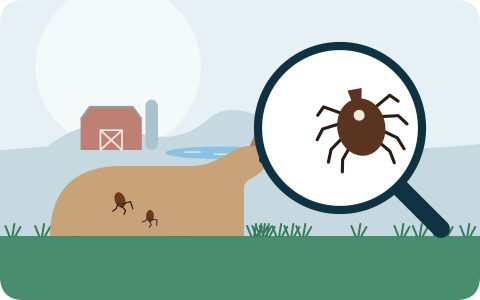
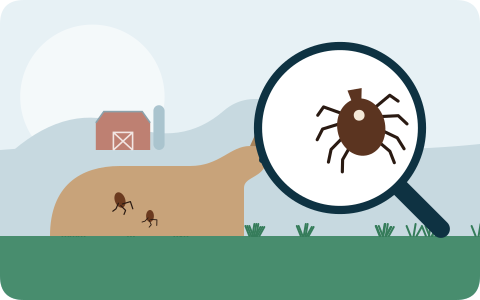
Tick Control illustration for Hawkins, TX, with a red barn in the background

Ticks around Hawkins are a land problem more than a house problem. A family on a small lot in town may go all year without seeing one, while a place off FM 1795 with a hay meadow, a creek bottom and deer crossing the back fence can pull a dozen off the dog after one walk.

This page covers yard and acreage programs: brushy edges, mowed trails, deer stands, barn lots and the ring of yard around the house. If ticks and fleas are mainly riding in on pets, start with flea and tick treatment for pets and the home. Plenty of rural properties end up needing both.

Service area
Hawkins & Wood County
Availability
Phones answered 24/7
Typical cost
$150–$325 (estimate)
Warning signs

Signs you need tick control

Do not burn, smother or squeeze an attached tick; pull it straight out with fine-tipped tweezers and save it in a sealed bag. Never spray pasture, ponds or animals unless the label allows that exact use, because many yard products are not labeled for grazed land or water.

  • Ticks on the dog after a walk along the fence line or creek
  • Clusters of tiny seed ticks on socks and pant cuffs in summer
  • Bites at the waistband or ankles after mowing or working cattle
  • Deer trails or bedding spots crossing the back of the property
  • Ticks on hunters or guests after time near feeders or the pond
  • Brush or leaf litter pushed right up against the yard
  • Ticks on horses, goats or cattle in the barn lot
Cost

How much does tick control cost in Hawkins?

Tick work is priced by how many zones get treated, not by total acreage. A town lot is a short visit; a long trail system and a creek bottom take more time.

Tick Control pricing in Wood County (2026)
JobTypical rangeWhat it includes
Flea & tick treatment (home + yard)$150–$325house yard, edges and pet areas
Mosquito control (per monthly visit, in season, up to about 1/2 acre)$60–$110often booked alongside tick visits
Quarterly general pest plan (per visit)$85–$140house perimeter; ask how tick zones fit in

2026 estimates for Wood County properties. Acreage and trail length are priced after the walk-through, and you approve the total before anything is applied.

Job stories

Typical jobs for tick control

Typical job
Illustration: Lone star ticks on wooded pasture land near Hainesville

Lone star ticks on wooded pasture land near Hainesville

What homeowners notice
On a few acres of pasture and post oak off FM 49, the dogs come in carrying ticks almost every day from spring into early summer, and so does anyone who walks the fence line. Most are lone star ticks, picked up along the brushy edge where the woods meet the grass.
What we do
The technician walks the place to find where ticks bunch up, then treats the woods edge, tall grass along fences, the dog run and the shady yard around the house according to the label. Mowing a wider buffer and clearing brush piles is recommended, and pets are pointed to the vet for tick prevention.
What to expect
Tick pickups typically fall off in the treated zones over the next few weeks, and the report notes when a follow-up makes sense as the season wears on.

2 hours typical visit

Options

Types and options for tick control

House yard and play areas

Covers the mowed yard, its edges, the space under decks and any dog runs. It suits town lots and lake homes where the woods start at the property line.

Trails and woods edge on acreage

On bigger tracts the technician treats the band where lawn meets brush, plus the trails, gates and stands you use, not every acre. Cost follows the places people actually walk.

Barn lots and livestock areas

Many products cannot go where animals feed or graze, so each site's label decides what is possible. Sometimes cutting cover and changing bedding works better.

Paired with mosquito visits

Owners near creeks and Lake Hawkins often book tick work alongside mosquito control in the warm months, since both pests sit out the heat in shaded, humid cover.

Still stuck? We pick up 24/7.

If it's an emergency, call now. For non-urgent tick control, send the form and we'll call you back.

Which ticks live on acreage around Hawkins?

Three ticks matter most here. Lone star ticks are the most common in wooded, brushy acreage and bite people readily. American dog ticks favor grassy edges, roadsides and dog runs. Black-legged ticks are present in eastern Texas too, though fewer people notice them. Knowing which one you have shapes treatment timing and what to watch for after a bite.

Lone star ticks are linked to ehrlichiosis and the American dog tick to Rocky Mountain spotted fever. Lyme disease is uncommon in Texas but possible from black-legged ticks. The AgriLife Tick App for Texas helps you log an encounter and name the tick.

  • Lone star tick: reddish-brown, with a single white spot on the adult female's back. Common in shaded brush and creek bottoms.
  • American dog tick: brown with pale gray-white markings. Found along grassy field edges, ditches and kennels.
  • Black-legged tick: small and dark-legged; adults are often noticed in the cooler months.
  • Seed ticks: larvae, usually lone star, that pile onto clothing by the dozen.

How is acreage tick control different from treating a yard?

Acreage programs treat corridors and edges rather than whole fields. Ticks gather where shade, leaf litter and passing deer or cattle meet, so the technician treats trail margins, fence lines, gates, stands and the yard border. Open, sunny pasture is left untreated because ticks dry out there, which holds down both cost and product use.

On twenty acres of pine and post oak, the treated area might be a few acres: the yard ring, the pond path, the lane to the deer stand and the brushy creek line.

Wildlife sets the pressure. White-tailed deer carry adult lone star ticks from tract to tract, and feeders tend to concentrate both deer and ticks. Moving a feeder away from the house often cuts tick numbers more than any spray.

When should ticks be treated in East Texas?

Early spring is the key window, usually March into April, ahead of the peak that runs from spring through early summer. A second round in early summer catches the next wave, and a warm fall can bring adults back out. Ticks stay active during any warm spell, so mild winters in Wood County rarely give a full break.

A wet spring with tall grass by April means heavier pressure, while a hot, dry August knocks numbers down in open ground but not in shaded creek bottoms. Our guide to ticks on East Texas acreage lays out a month-by-month plan.

What can you do between visits to keep ticks down?

Take away the cover ticks need. Keep trails and the yard edge mowed short, clear brush and leaf litter back from where people walk, stack firewood away from the house and keep a dry, open buffer between lawn and woods. These steps make each treatment last longer and cut the number of ticks reaching the yard.

  • Shred or mow walking trails to ankle height every few weeks from spring on
  • Lay a strip of gravel or wood chips between the lawn and the tree line
  • Check dogs daily and keep them on a vet-recommended tick preventive
  • Tuck pants into boots and use an EPA-registered repellent when working brush
Our process

How our tick control visit works

  1. Walk the property and map zones

    The technician walks the yard, trails, barn lot and woods edge with you and marks where people and pets spend time. Open, sunny pasture is usually skipped because ticks dry out there.

  2. Habitat fixes first

    You get a short list of mowing, brush and leaf-litter changes that shrink tick cover.

  3. Targeted application

    Labeled products go on the mapped edges, shaded beds, trails and fence lines, at the rate and distance from water the label allows.

  4. Pet and livestock precautions

    Before anything is applied, you hear how long to keep dogs, kids and animals off treated ground, and which spots near ponds, wells or grazed pasture are left out.

  5. Seasonal follow-ups and a written report

    Return visits are spaced to the tick season, and each ends with a written service report listing the zones treated and the products used.

Wood County

Why tick control is different in East Texas

Southeastern Wood County sits where the Post Oak Savannah gives way to the Piney Woods. Pine, oak and hickory broken up by hay meadows make miles of edge habitat, and land along the Sabine bottoms and Little Sandy and Big Sandy creeks stays shaded and humid well into summer.

Many places around Hawkins keep a few cattle, horses or goats, and deer move freely between tracts, so a neighbor's tidy yard does nothing for yours. Wooded lake lots that run down to the water see the same pressure; see the Lake Hawkins area page for lake-specific pests.

Rainfall of roughly 43 to 47 inches a year and a growing season of about 246 days mean cover grows back fast. A trail that was clean in April can be knee-high by June, so habitat work here lasts all summer.

Related

Flea & Tick Control

Flea control for Hawkins homes with dogs and cats: indoor and shaded-yard treatment timed with your vet's pet care, plus brown dog ticks.

Mosquito Control

Monthly in-season mosquito treatments for yards near Lake Hawkins, creeks, stock ponds and wooded lots.

Fire Ant Control

Two-Step fire ant treatments for town lots, acreage, barns and well houses around Hawkins and southeastern Wood County.

Lawn Pest Control

Diagnosis and treatment for armyworms, white grubs, chinch bugs and other turf insects in St. Augustine, Bermuda and centipede lawns.

Guides

Read before you book

FAQ

Tick Control FAQs

Is tick control the same as flea and tick treatment?

Not quite. Flea and tick treatment centers on pets, the home and the yard they use. Tick control here is property-scale work on trails, woods edges, barn lots and pasture borders.

Does the whole pasture need to be sprayed?

Usually not. Ticks avoid hot, open ground, so treating sunny pasture wastes product and money. The technician concentrates on edges, shade and the paths people and pets use.

How long until we can use the trails again?

It depends on the product label, and the technician tells you before the visit starts. In most cases people and pets stay off treated areas until the application has dried.

Can ticks be wiped out on rural land?

No program removes every tick from land that deer and cattle cross. The aim is to cut numbers sharply where your family and dogs spend time, then hold them down with timed visits and habitat work.

What should I do after finding a tick on someone?

Remove it promptly with fine-tipped tweezers, gripping close to the skin and pulling steadily upward. Note the date and keep the tick in a sealed bag. See a doctor if fever, rash or aches follow; the CDC and Texas DSHS both publish symptom guides.

Find Hawkins Pest Control on